Choosing Spain’s wine regions can feel like a second trip before the first one is even booked. You want a memorable tasting, but the options blur together: transport, language, price, time, and whether a winery works as a quick stop or a full-day plan. Pick wrong, and a “simple” visit can eat half your day, your budget, and your energy.
The best wineries in Spain for wine tours depend on the experience you want: Rioja for classic tastings, Penedès for easy day trips from Barcelona, and regions like Ribera del Duero or Jerez for more specialist visits. The most useful choice is the one that matches your budget, language needs, travel base, and whether you want a simple tasting, a full tour, or lunch and accommodation.
Compare the main winery options fast
This quick view helps you choose in minutes, not hours. The most useful filter is not fame, but format, because a cellar-door tasting can cost and feel very different from a full winery tour with lunch.
| Region / [winery](https://sipcrushwine.com/don-t-book-a-winery-tour-expecting-vineyard-walks/) |
Best for |
Typical visit length |
Language / booking |
Transport reality |
| Marqués de Riscal, Rioja |
Luxury, architecture, first premium winery visit |
2 to 4 hours |
Usually book ahead, English often available |
Best with a car or private transfer from Rioja towns |
| Bodegas Muga, Rioja |
Classic Rioja tasting and oak aging |
1.5 to 3 hours |
Booking recommended, guided tours common |
Easy from Haro or Logroño |
| Bodegas López de Heredia, Rioja |
Traditional style, serious wine lovers |
1.5 to 3 hours |
Limited slots, book early |
Best as part of a Haro wine day |
| Bodegas Vega Sicilia, Ribera del Duero |
Prestige, fine wine, serious collectors |
2 to 4 hours |
Harder to book, more selective access |
Best [from Valladolid](https://sipcrushwine.com/plan-car-free-winery-tours-and-tastings-from-valladolid/) or with driver |
| Bodegas Protos, Ribera del Duero |
Balanced tour value, broad appeal |
1.5 to 3 hours |
Usually straightforward online booking |
Good from Peñafiel and nearby stays |
| Bodegas Torres, Penedès |
Best Barcelona day trip, broad visitor range |
2 to 4 hours |
English often available, advance booking smart |
Easy from Barcelona by car or tour transfer |
| Bodegas Chivite, Navarra |
Food pairing and refined tastings |
1.5 to 3 hours |
Book in advance, small-group feel |
Works well from Pamplona or Navarra routes |
| Jerez sherry bodegas, Andalusia |
Sherry, heritage, and wine with food |
1.5 to 3 hours |
Guided visits common, English varies |
Best with a city base in Jerez |
If you only have one free day, pick the winery closest to your overnight base first. A short, easy visit beats a famous estate that costs you half the day in transfers.
Best wineries by region and travel base
Rioja gives you the clearest mix of famous names, easy tasting days, and classic Spanish wine culture. If you want a first strong winery visit, this is where many travelers start, because the region is compact and the cellar-door options are close enough for a simple route.
Penedès works best if you are sleeping in Barcelona or want a smooth day trip. You can leave the city in the morning, taste in the countryside, and be back for dinner without turning the day into a transport project.
Ribera del Duero and Jerez suit travelers who already know what they want. Ribera is ideal for structured wine tourism in Castilla y León, while Jerez gives you sherry, history, and a different style of tasting that feels very local.
Rioja is the safest bet for a first-time wine trip because the region has strong labels, clear routes, and a wide range of visit styles. You will find everything from simple tastings to more polished experiences with food and architecture.
The term crianza means a wine aged for a set time before sale, while gran reserva means longer aging and usually more depth. That matters in Rioja because many visitors want to taste how oak aging changes the wine, not just drink a glass.
The error most visitors make here is choosing a winery only by name. A famous label can still mean a rushed visit, while a less famous house may give you better time with the guide and a better tasting room.
Penedès is the easiest answer for people searching for Spain wine tours from Barcelona. The region is close enough for a day trip, and the visit often feels lighter and more relaxed than a full day in a far-off inland area.
This works especially well if you want cellar door access, which is simply the tasting room at the winery entrance. Think of it like visiting the front desk of the winery first, then going deeper only if the tour includes the vineyard and production areas.
Which wineries fit your travel style
The best winery is not always the most famous one. A couple may want a quiet tasting with lunch, while a family may need space, a shorter visit, and easier pacing.
This is where terroir matters, which means the mix of soil, climate, and landscape that shapes the wine. Some travelers want that story in full detail, while others want a warm welcome, a glass, and a good lunch.
If you care about value, look at what is included. A 25 euro tasting can be better value than a 15 euro visit if the first one includes a guide, a vineyard walk, and 3 wines instead of 2.
Best for couples and food lovers
Couples usually get the best experience at wineries that add scenery, a restaurant, or a calm tasting room. Marqués de Riscal in Rioja is a strong example because the setting feels special before the first sip.
Jerez also works well for pairs who want culture with food. Sherry visits often pair well with tapas, which makes the day feel more complete than a quick stop in a standard tasting room.
Best for families and easy days
Families do better with wineries that keep the visit simple and short. Bodegas Torres in Penedès is often a practical choice because the region is easy to reach and many tours are built around a broad visitor mix.
For families, avoid a day filled with multiple estates unless you have a driver. One good visit plus a village lunch usually works better than trying to fit three tastings into one afternoon.
Best for luxury and serious collectors
Luxury travelers should look at access, not just brand fame. Vega Sicilia, Marqués de Riscal, and select visits in Rioja or Ribera del Duero are stronger choices when you want private pacing, premium tastings, and better service.
Bodegas Vega Sicilia is less about casual sightseeing and more about prestige and depth. If you want a polished tasting of Spain’s top names, this is one of the clearest choices, but it is not the easiest booking.
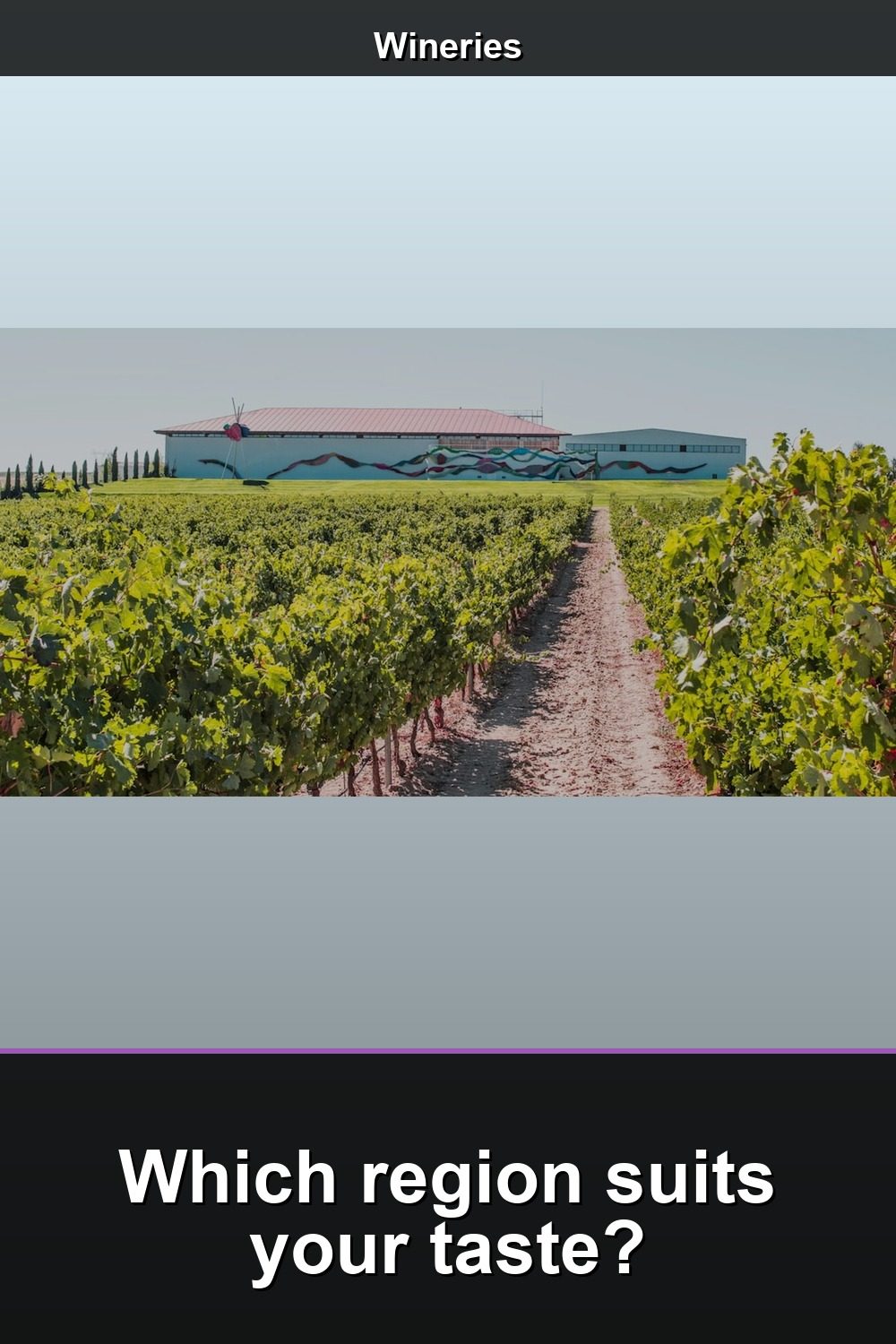
If you are choosing between the best wineries in Spain for wine tours based on your travel style, the fit is just as important as the label. First-time visitors usually do better with guided winery tours in Rioja or Penedès, where the format is clear and the wine story is easy to follow. Couples often prefer premium wineries with scenic settings and a wine and lunch experience, especially in Rioja or Jerez. Families should look for shorter winery tastings, easy parking, and flexible pacing rather than a packed schedule, while luxury travelers may want private transfer options, smaller groups, and more selective access.
In other words, wine tourism in Spain is not one-size-fits-all; the right choice depends on whether you want simplicity, romance, comfort, or prestige.
How to choose the right tour in spain
Pick the winery that matches your base city, your time, and your transport first. That order matters because Spain is not a single easy day-trip zone, and a good plan can save you three or four hours.
If you are starting from Barcelona, choose Penedès. If you are starting from Madrid, Ribera del Duero, Rueda, or Toro usually make more sense, while La Rioja works best if you are already in the north.
The best wineries in Spain for wine tours are the ones that fit your exact trip, not the ones with the biggest reputation. A mid-priced visit with a good guide often gives more value than a famous estate with a rushed format.
Match the tour to your budget
Budget matters because winery prices change with the format. A simple tasting is usually cheaper than a full guided tour, and a tour with lunch or a stay can cost several times more.
Use this rule: if the visit includes transport, meals, or an overnight stay, compare the total day cost instead of the tasting fee alone. That is the only fair way to judge value.
Match the tour to your city base
Your departure city can make or break the day. Barcelona fits Penedès best, Madrid fits Ribera del Duero and nearby Castilla y León routes, and Rioja works best when you are already in that corridor.
This is where transport planning matters more than people expect. Some wineries are easy by car, but the same place can be awkward by taxi, especially if you want to drink freely and return safely.
A good wine day in Spain usually takes between 4 and 8 hours once you add travel, the visit, and lunch. If a winery is more than 90 minutes from your base, treat it as a full-day plan.
Match the tour to your language needs
Language is a real filter, not a side detail. English is common in major wineries and the most tourist-friendly areas, but smaller estates may offer limited slots only on certain days.
Book early if you need English, because peak weekends can sell out the easier time slots first. The practical fix is simple: reserve before you lock the hotel.
Logistics can change the whole day, especially if you are planning Rioja wine tours, Penedès wine tours, Ribera del Duero wineries, or Jerez wine tours from a city base. Barcelona day trips usually work best for Penedès, while Madrid is a more practical base for Ribera del Duero and parts of Castilla y León. Spring and harvest season are the busiest periods, so book ahead if you want English-speaking tours or a specific time slot. By car, most visits are easiest, but a private transfer or organized tour can be the better choice if you want to enjoy the tastings without worrying about driving back.
For a full winery tour plus lunch, allow at least half a day and often most of the day if the estate is outside your overnight base.
What reviews and bookings do not tell you
Reviews help, but they do not always show the whole picture. A winery can have excellent ratings and still be a poor fit if you want a quick visit, while a lesser-known place can be ideal for a calm tasting.
The data points to one clear pattern: the most booked wineries are not always the easiest to enjoy. What matters is whether the visit format matches your day, your language, and your patience for transport.
A report from the International Organisation of Vine and Wine shows how varied wine travel can be across regions and visitor profiles, which is why a single ranking is weak. Use reviews to confirm service, but use booking details to confirm fit.
Read the booking page like a checklist
Check the duration, the languages offered, and what is included. If the page does not clearly say whether the visit includes vineyard access, cellar access, or only a tasting, ask before paying.
This is the detail many travelers miss. A winery may say “tour” when it really means “brief tasting”, and that difference changes both the price and the value.
Book earlier in high season
Spring, harvest time, and long weekends fill fast in Rioja, Penedès, and Jerez. If you wait too long, you may still find availability, but the time slot you want and the language you want may be gone.
Before booking, check more than the star rating. The best wineries in Spain for wine tours often show their value through clear availability, honest duration, and exactly what is included in the cellar-door tasting or guided winery tours. Reviews are most useful when they mention guide quality, language, pacing, and whether the experience felt like a full winery tour or just a quick stop. If the booking page does not say how many wines are included, whether lunch is part of the package, or whether English-speaking tours are offered on your date, assume you need to ask before paying.
Premium wineries and high-demand estates can sell out quickly, so a smart traveler books ahead and compares a few options instead of relying on the most famous name.
Your best choice depends on this
If you want the simplest answer, choose Rioja for the classic Spanish wine experience, Penedès for Barcelona-based day trips, and Ribera del Duero or Jerez when you want a more specific style of wine tourism. Then narrow the shortlist by transport, language, and whether the visit includes tasting, lunch, or accommodation.
If you are booking now, start with the winery closest to your base city and the format that fits your day. That single decision usually saves more stress than comparing ten famous names.
Your questions answered about wineries
What are the best wineries in spain for wine
Rioja, Penedès, Ribera del Duero, and Jerez are the strongest starting points for most travelers. Rioja suits classic tastings, Penedès works best from Barcelona, and Jerez is ideal if you want sherry and food culture.
Which part of spain is best for wine tours?
There is no single best part, because the right region depends on your base city and your trip style. For easy logistics, Penedès from Barcelona and Rioja from the north are the simplest picks, while Ribera del Duero suits a Madrid base.
Can you do wine tours from barcelona?
Yes, and Penedès is the best choice for that. Many visits fit into 4 to 6 hours total, which makes it one of the easiest wine day trips in Spain.
Are winery visits in spain expensive?
They range from simple tastings to premium full-day visits, so the price depends on what is included. A short tasting is usually far cheaper than a guided tour with lunch or a private visit.
Do i need to book wine tours in advance?
Yes, especially in spring, harvest season, and on weekends. English-language slots and popular wineries can fill several days ahead.
Which wineries are best for first-time visitors?
Marqués de Riscal, Bodegas Muga, and Bodegas Torres are good starting points because they are easy to understand and usually visitor-friendly. They give you a clear first taste of Spanish wine tourism without making the day too complicated.
Which wineries are best for a luxury trip?
Marqués de Riscal and Bodegas Vega Sicilia are strong names for a premium trip. They suit travelers who want a more polished setting, deeper tasting, and a stronger sense of place.
This advice is not relevant if you are not planning to visit wineries in Spain, if you only want to buy wine online, or if you already have a fully booked private tour with fixed logistics.
If you want to make the easiest choice, start with the region that matches your city base, then check whether the visit is a tasting, a full tour, or a meal-led experience. That is the fastest way to find the best wineries in Spain for wine tours without wasting time on the wrong kind of booking.
